
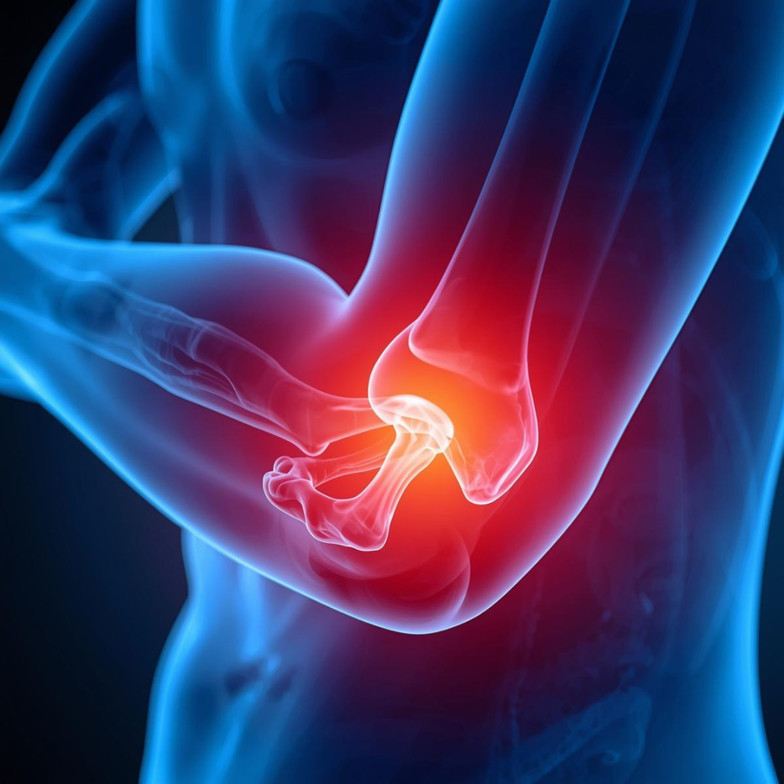
Understanding Elbow Pain: Conditions, Symptoms, and Treatment Options at Our Clinic
Elbow pain is a common issue that can affect people of all ages and activity levels. Whether it develops gradually from repetitive use or suddenly after an injury, elbow pain can interfere with daily activities such as lifting, gripping, typing, or even simple movements like opening a door. At our clinic, we help patients identify the cause of their elbow pain and create personalized treatment plans to restore comfort and function.
Common Elbow Pain Conditions
Several conditions can lead to elbow pain, each with distinct causes and symptoms:
1. Tennis Elbow (Lateral Epicondylitis)
Despite its name, tennis elbow isn’t limited to athletes. It occurs due to overuse of the forearm muscles and tendons, often from repetitive gripping or wrist movements. Pain is usually felt on the outer part of the elbow and may worsen with lifting or gripping objects.
2. Golfer’s Elbow (Medial Epicondylitis)
This condition affects the inner side of the elbow and is caused by repetitive stress on the tendons that flex the wrist and fingers. It commonly affects golfers, manual workers, and individuals who perform repetitive arm movements.
3. Elbow Bursitis
Elbow bursitis occurs when the fluid-filled sac (bursa) at the tip of the elbow becomes inflamed. It often causes swelling, tenderness, and stiffness and may result from prolonged pressure, injury, or infection.
4. Tendonitis and Tendinopathy
Overuse or strain can lead to inflammation or degeneration of the elbow tendons, resulting in pain, weakness, and reduced range of motion.
5. Nerve Compression (Cubital Tunnel Syndrome)
Compression of the ulnar nerve as it passes through the elbow can cause pain, tingling, numbness, or weakness in the forearm, hand, and fingers—especially the ring and little fingers.
6. Elbow Sprains, Strains, and Fractures
Trauma such as falls or sports injuries can damage ligaments, muscles, or bones in the elbow, leading to pain, swelling, and limited movement.
Common Symptoms of Elbow Pain
Elbow pain can present in different ways depending on the underlying condition. Symptoms may include:
-
Aching or sharp pain in or around the elbow
-
Stiffness or reduced range of motion
-
Weakness in the arm or grip
-
Swelling or tenderness
-
Tingling or numbness in the hand or fingers
-
Pain that worsens with activity or repetitive movement
If symptoms persist or worsen, professional evaluation is important to prevent long-term damage.
Treatment Options at Our Clinic
At our clinic, we focus on accurate diagnosis and individualized care to address the root cause of elbow pain. Treatment options may include:
Comprehensive Assessment
We begin with a thorough evaluation of your symptoms, medical history, and movement patterns to determine the underlying cause of your elbow pain.
Conservative Treatments
Many elbow conditions respond well to non-surgical care, such as:
-
Activity modification and rest
-
Targeted exercise and rehabilitation programs
-
Manual therapy to improve mobility and reduce pain
-
Bracing or support when needed
-
Education on posture and movement techniques
Pain and Inflammation Management
Treatment plans may include strategies to reduce pain and inflammation while promoting healing and tissue recovery.
Rehabilitation and Prevention
Our goal is not only to relieve pain but also to restore strength, flexibility, and function. We emphasize long-term prevention by addressing contributing factors and helping you safely return to work, sports, or daily activities.
When to Seek Care
You should consider visiting our clinic if:
-
Elbow pain lasts more than a few days
-
Pain interferes with daily activities or sleep
-
You experience numbness, tingling, or weakness
-
There is significant swelling or loss of motion
-
Pain follows an injury or fall
Get Relief and Restore Function
Elbow pain doesn’t have to limit your lifestyle. With proper assessment and targeted treatment, most elbow conditions can be effectively managed. At our clinic, we are committed to helping you understand your condition, relieve pain, and return to the activities you enjoy.

Sandeep Saroya
Contact Me
.jpg)
